
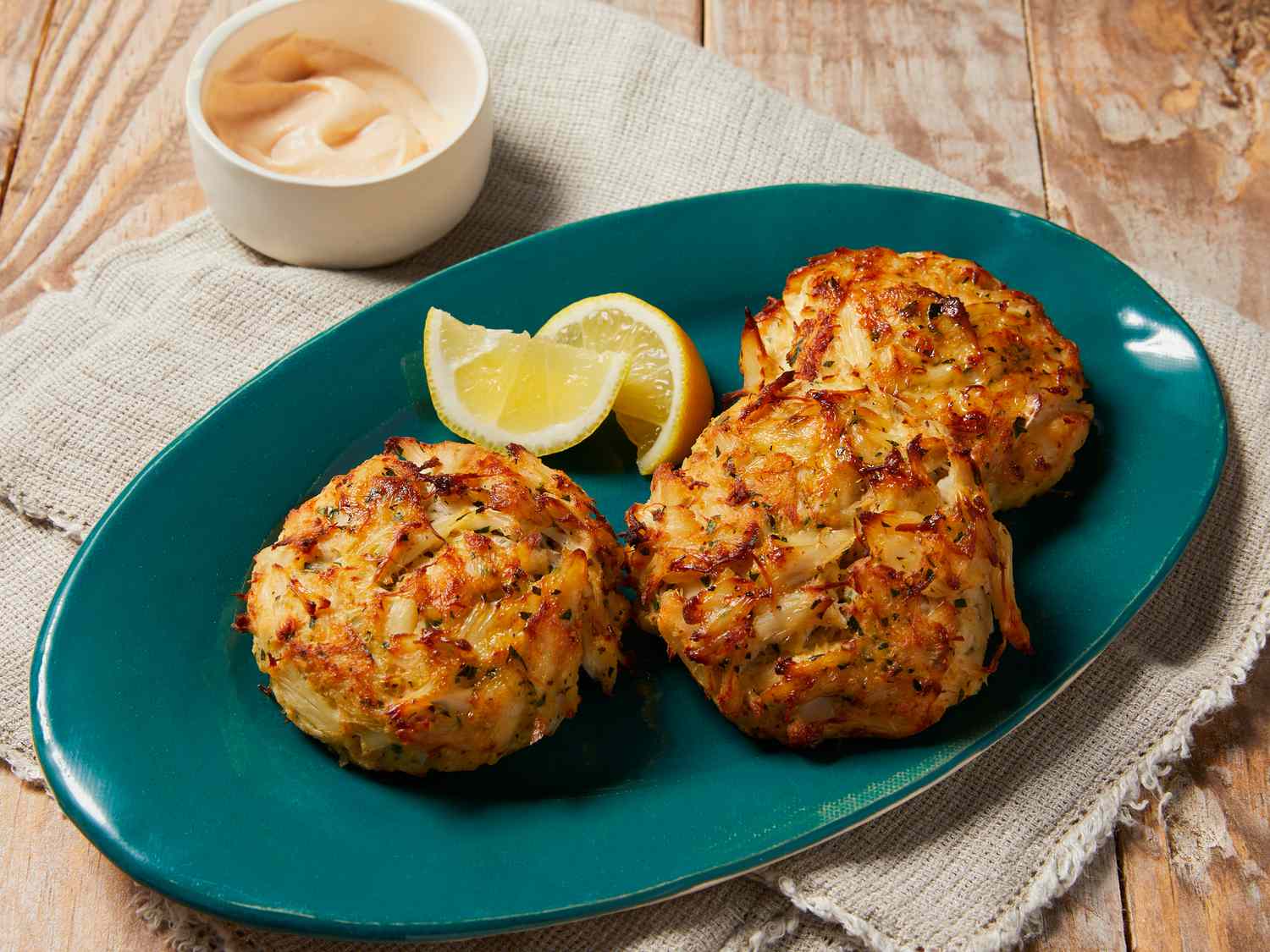
Introducing kids to new foods can be so exciting! Some kids are adventurous eaters who try anything that’s put before them. Others need a willingness to eat even one bite. So, if you are a parent introducing your child to a new dish of Maryland or thinking about visiting the state, you’ll want to share the experience of Maryland crab cakes.
Crab cakes are associated with the state of Maryland and the Chesapeake Bay Region of Maryland. They can serve as a main dish, appetizer, sandwich, or be part of a hearty meal that’s sure to please a child’s appetite. These simple tips can help parents introduce their children to Maryland crab cakes.
Talk To Kids About The Food
Before putting a Maryland crab cake on your child’s dinner plate, spend a few minutes talking about it. Kids are curious so they are likely to respond positively by wanting to try a new food if they know about it. You can mention that Maryland is a state famous for the Chesapeake Bay, home to many types of fish.
Keep your talking simple and brief for preschool aged children. You probably have not need to give a history lesson about Maryland and the crab cake but a little is good to stir interest. Make a food item of the day or the week a fun adventure.
Look At The Ingredients To Make Food Less Strange
Some kids are hesitant to try unfamiliar foods. Let your child see the ingredients you are using if it’s something you’re making from scratch.
Ask them to look at:
- Crab meat
- Breadcrumbs or substitute
- Eggs
- Mayonnaise or another binding agent
- Seasoning of some sort
- Herbs such as parsley or dill or onions depending on the recipe
Showing kids the ingredients can help them to become more familiar with the food in case they’re hesitant when they see it.
Make It Mild, Simpler Option
Crab cakes vary in flavors. Some are more heavily seasoned or spicy, some use stronger- sauces, and some are milder. Try to go for simple crab cakes if your child is having his first taste of crab meal. A milder flavor allows a child to sample the crab’s flavor and texture without something too strong overpowering it. This is especially important if your child doesn’t like overly spicy flavors or foods.
Start Off With Small Pieces
You don’t need to serve an entire dish to your child. Start with only a bite-size piece and ask, “Would you like to try one little bit?” A taste test can be less intimidating for reluctant eaters. You can always give more if they want to or ask for it again later or next time. It isn’t a big deal if a child doesn’t like a new food that’s been introduced. Sometimes a taste sample leads to an entire dish being ordered or prepared for your child’s pleasure.
Don’t Force Your Child to Take a Bite
Parents can often get frustrated when their child is uncooperative about trying new foods. However, there are ways to prevent your children from developing a negative association with unfamiliar foods.
Ask your child, “Can you smell it?”
“Would you like a small piece?”
“Would you like to try it with a little of this sauce or without first?” There are various ways for parents to help kids make choices and feel less pressured when given a new food item.
Be Aware of the Allergies
Food allergies can be very serious. If your child has a history of food allergies or if there are any other concerns about introducing the shellfish variety to a child’s diet, speak with a healthcare professional about an appropriate course of action. When preparing crab cakes at home for your family, make sure that you get your crab from reliable locations and prepare the crab following the appropriate food-safety guidelines for cooking shellfish.
Don’t Give Up Soon After Failing
Children who refuse a certain food one time may be convinced to try it again on a later date without pressure from adults. Their tastes may also change. It’s best to refrain from giving up if your child absolutely hates a new food one day. If your child isn’t fond of that food, it doesn’t mean he or she will always hate it. It could take several years to convince a child that a certain food is tasty. Try convincing a child again to give them an opportunity to appreciate a food item, even if it’s not crab cakes at that time.
Final Thoughts
Making the introduction of kids to Maryland crab cakes can be so much more than just a simple step to try to increase their willingness to sample new foods. It can also be an opportunity to familiarize your children with a new regional specialty that’s different from what they may have tasted previously. It is, of course, important not to overwhelm your child at his or her first taste.
The goal isn’t for your child to become an expert on crab cakes and the history of Maryland or become an eager seafood lover right off the bat. The most important thing is to make new foods a fun and safe experience. This way, kids of all age groups can find a taste of Maryland with simple crab cakes or enjoy discovering a new type of food and a new culture without pressure.
