
Introduction
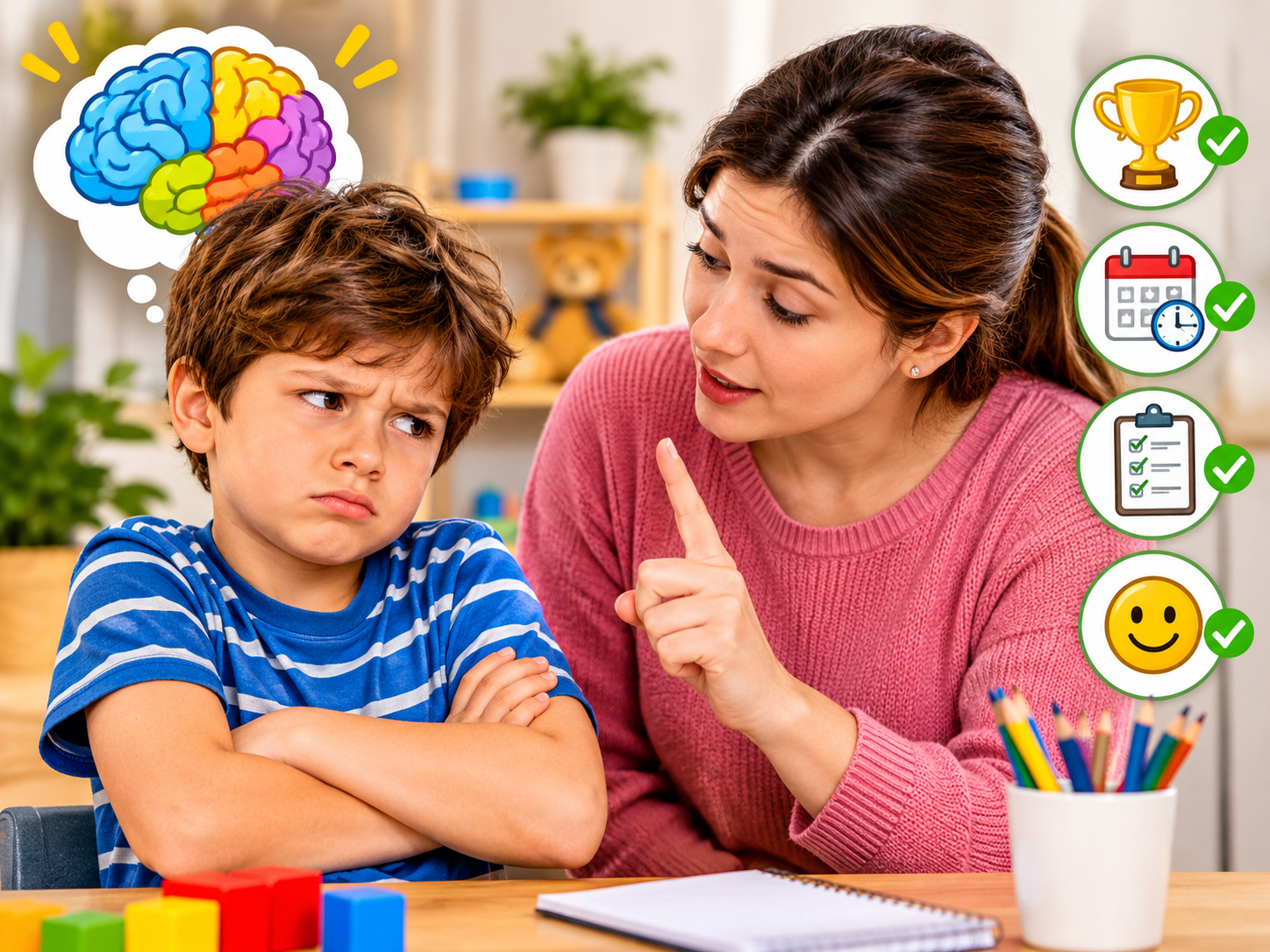
If you’re raising a child with ADHD, you’ve probably noticed that the usual discipline methods don’t work the way they do for other kids. Time-outs get ignored, warnings are forgotten in seconds, and yelling only makes things worse. That doesn’t mean you’re failing as a parent, and it doesn’t mean your child is bad. It means their brain works differently and needs a different approach.
Before you start, remember one thing: the goal of discipline is to teach, not to punish. The strategies below are practical, positive, and built around how ADHD actually affects behavior.
Understanding ADHD and Behavior
ADHD affects the parts of the brain responsible for impulse control, attention, and self-regulation. A child with ADHD may interrupt, forget instructions, or act without thinking, not because they want to defy you, but because they struggle to pause and plan.
It helps to separate misbehavior from ADHD symptoms. Forgetting to put away shoes is a symptom. Deliberately hitting a sibling is behavior that needs a consequence. Both need your attention, but they need different responses. Discipline works best when it builds skills rather than simply handing out punishment.
Strategy 1: Set Clear and Consistent Rules
Children with ADHD do best when expectations are simple and specific. “Be good” is too vague. “Use a calm voice and keep your hands to yourself” is clear.
- Limit house rules to three to five key ones.
- Post them where your child can see them, using pictures or checklists for younger kids.
- Review them regularly and apply them the same way every day.
Consistency matters more than strictness. If a rule only counts some of the time, your child will struggle to learn it.
Strategy 2: Use Positive Reinforcement
Children with ADHD often hear far more criticism than praise, which can damage their confidence. Flip that pattern by noticing what they do right.
Praise effort and specific behavior immediately: “Great job starting your homework without being reminded.” Reward charts and token systems also work well. Your child earns points for target behaviors, such as getting ready on time, and trades them for rewards like extra screen time or a special outing. Keep rewards quick and achievable, since long waits lose their power.
Strategy 3: Give Immediate Feedback and Consequences
ADHD brains respond best to feedback that arrives right away. A consequence delivered hours later, such as “no TV tonight because of what happened this morning,” often feels disconnected from the behavior.
Respond in the moment, keep consequences short, and make sure they relate to what happened. Say what the problem was, state the consequence calmly, and move on. Long lectures usually go unheard.
Strategy 4: Establish Predictable Routines
Structure reduces chaos for children who struggle with organization and time management. Build consistent routines for mornings, homework, meals, and bedtime.
- Use visual schedules or checklists.
- Give warnings before transitions (“Five more minutes, then we turn off the game”).
- Keep daily rhythms as steady as possible.
When your child knows what to expect, there are fewer surprises to trigger meltdowns or resistance.
Strategy 5: Give Short, Clear Instructions
Long, multi-step commands often get lost. Instead of “Go upstairs, brush your teeth, put on pajamas, and pick out a book,” give one step at a time.
Get close, make eye contact, and speak calmly. Then ask your child to repeat the instruction back to confirm they understood. Breaking tasks into small steps makes success more likely and frustration less common.
Strategy 6: Use Time-Outs and Calm-Down Breaks Effectively
Time-outs can work when used correctly, but they should be brief and calm. A general guideline is about one minute per year of age. Many parents find a calm-down corner more helpful: a quiet space with soft items or sensory tools where the child can reset.
Present it as a chance to cool down, not as banishment. Once your child is calm, talk briefly about what happened and what to do next time.
Strategy 7: Remove Privileges Wisely
Taking away privileges can be effective when the consequence fits the behavior. If your child throws a toy, the toy goes away for a short time. If they misuse a tablet, they lose tablet time for the rest of the day.
Avoid harsh or long-lasting punishments such as “no video games for a month.” They are hard to enforce, quickly forgotten by your child’s attention span, and often create resentment instead of learning.
Strategy 8: Stay Calm and Manage Your Own Reactions
Your reaction shapes the situation. Yelling, threats, and spanking tend to escalate behavior and can harm your relationship. Children with ADHD are already sensitive to criticism and often feel shame about their struggles.
When you feel your temper rising, pause. Take a breath, step away for a moment if needed, and respond when you’re calm. Taking care of yourself through rest, support from other parents, and stress management makes patient parenting much easier.
Strategy 9: Focus on Strengths and Build Self-Esteem
Every child needs to feel capable. Look for what your child does well, whether it’s creativity, energy, humor, or kindness, and say so often. Try to “catch them being good” several times a day.
Avoid labels like “lazy,” “naughty,” or “difficult.” Instead, describe the behavior: “That was hard to finish; let’s try again together.” A child who feels valued is more motivated to cooperate.
Strategy 10: Work with Teachers, Doctors, and Therapists
You don’t have to do this alone. Consistency between home and school helps reinforce positive behavior, so share strategies with your child’s teachers. A doctor or therapist can offer additional support, such as behavioral therapy, parent training programs, or medication when appropriate. Combining approaches often brings the best results.
Common Discipline Mistakes to Avoid
- Being inconsistent: Rules that change daily confuse your child.
- Over-punishing: Harsh consequences damage trust without teaching skills.
- Expecting too much: Hold realistic expectations for your child’s developmental stage and ADHD challenges.
- Taking behavior personally: Your child isn’t trying to ruin your day. Staying objective helps you respond calmly.
When to Seek Professional Help
Consider reaching out to a professional if your child’s behavior is becoming dangerous, if you see signs of anxiety, depression, or aggression, if school performance is dropping, or if home strategies aren’t helping after consistent effort. A pediatrician, child psychologist, or behavioral therapist can assess your child’s needs and recommend a plan.
Frequently Asked Questions (FAQs)
Should I punish my child for ADHD behavior?
Not for symptoms they can’t fully control, such as forgetfulness or fidgeting. Use teaching, reminders, and structure instead. Reserve consequences for deliberate misbehavior, and keep them fair and calm.
Does spanking work for children with ADHD?
No. Physical punishment tends to increase aggression and damages trust. Positive reinforcement and consistent consequences are far more effective.
How long does it take to see improvement?
It varies. Some families notice changes within a few weeks, while others need several months. Consistency is the key, so be patient and celebrate little progress.
Conclusion
Disciplining a child with ADHD takes patience, structure, and plenty of encouragement. Set clear rules, reward good behavior, respond calmly, and build routines that help your child succeed. Remember that your child is not giving you a hard time; they are having a hard time.
With the right strategies and support, you can guide your child toward better behavior while strengthening your bond. Progress may be gradual, but every calm response and every moment of praise makes a difference.
