
If you ask Maryland is considered the South, North or the Mid-Atlantic, you’re likely to get a wide range of answers. This question can help families who are interested in moving here, visiting Maryland for vacation or even kids who just need more explanation of the geography of the country with a more complicated breakdown.
Is Maryland a Southern State?
Maryland is geographically considered the Mid-Atlantic region of the US. The state lies between Pennsylvania to the north and Virginia to the south. The region itself offers a transitional zone between more North and more South cultures in the nation. Historically however, the state has both links to the North as well as the South.
During the American civil war, Maryland was considered an important border state; despite remaining with the Union, it maintained strong sympathies with the South from a segment of the state’s population; and this made it difficult to describe the state’s culture then; and still does in certain ways today. Maryland, however is predominantly referred to as a Mid-Atlantic state today.
Maryland’s Unique Location
Maryland borders:
- Pennsylvania
- Delaware
- Virginia
- West Virginia
- Washington, D.C.
It also has different waterways associated with the Chesapeake Bay. This location places Maryland close to major cities such as Washington, D.C., Philadelphia, and Baltimore while also providing access to beaches, forests, farms, and mountains.
A State With Many Different Landscapes
One of the reasons that Maryland is sometimes referred to as “America in Miniature” is the incredible variety of landscapes.
Families can explore:
- Beaches on the Atlantic coast
- Waterfronts of the Chesapeake Bay
- Woodland
- Farming lands
- Western Maryland Mountains
- Rivers and creeks
- Urban areas
A family living in western Maryland may experience a very different day-to-day environment than one living near Baltimore or the Eastern Shore.
What Is Family Life Like in Maryland?
Life in Maryland can be very different depending on where you live. In larger communities, families may have easy access to museums, restaurants, shopping centers, libraries, sports programs, and cultural events. Meanwhile, families in smaller communities might find quieter neighborhoods, open spaces, farms and outdoor activities.
Things parents should consider include:
- Selection of School
- Housing costs
- Travel time
- Neighbourhood amenities
- Availability of childcare
- Parks and Recreation Programs
- Health care access
Baltimore and Urban Family Life
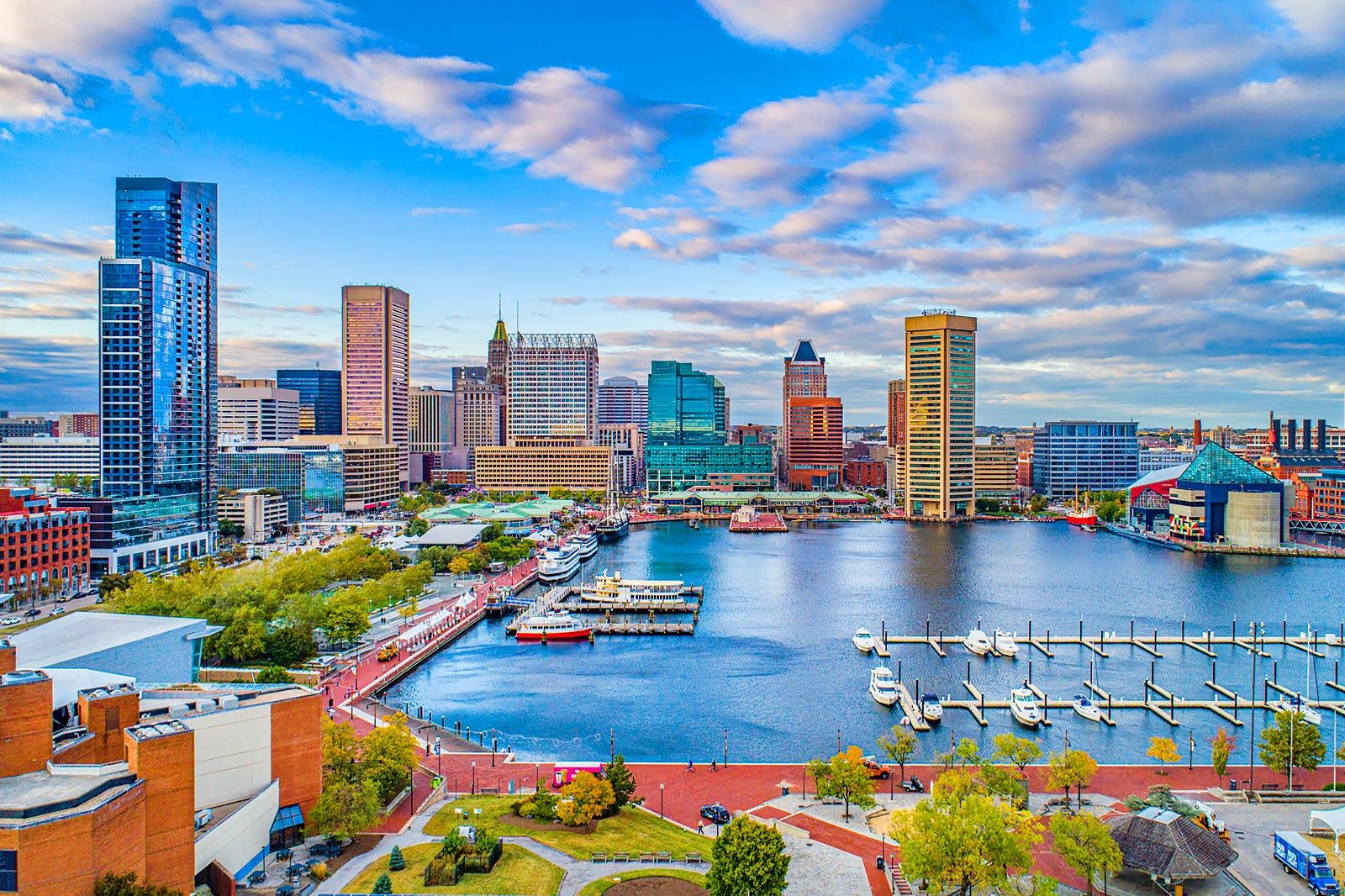
Baltimore is Maryland’s largest city and one of its best-known communities.
The city offers families attractions including museums, parks, cultural institutions, sports, restaurants and the Inner Harbor.
For children, being in the city can be a good thing because they get the chance to experience different cultures and activities.
Parents considering Baltimore should do some careful research on individual neighborhoods as living conditions, schools, transportation and amenities can vary greatly from one area to another.
Suburban Maryland
Many families decide to settle in suburban communities in the Baltimore or Washington, D.C. areas.
What suburban life can offer:
- Bigger homes
- Parks in the area
- Work in the community
- Shopping malls
- Schools
- Increased access to key employment areas
Some Maryland suburbs are also within commuting distance of Washington, D.C., making the state attractive to families where one or both parents work in the nation’s capital.
The Chesapeake Bay and Outdoor Life
The Chesapeake Bay is one of Maryland’s most prominent features. The bay is a part of Maryland’s culture and economy and offers endless opportunities for outdoor recreation.
Families can enjoy:
- Fishing / Hunting
- Boats
- Kayak riding
- Trekking
- Watching wildlife
- Crabs
- Picnics by the water
Kids can spend time outside learning about marine life and environmental conservation.
Maryland’s Southern Connections
Maryland is not typically thought of as a Southern state today, but Southern influences are still part of its history and culture. For example, traditions and landscapes on Maryland’s Eastern Shore might feel different than the more urban areas around Baltimore and Washington, DC.
You can also see the regional influences in food, too.
Maryland is known for:
- Blue Crabs
- Seafood
- Old Bay
- Corn
- Local comfort foods
Sharing food traditions is a fun way to expose kids to local history and culture.
Weather and Seasons
Maryland experiences all four seasons. Summers are warm and humid, while you can experience cold temperatures and even snow. Spring and fall are more popular for outdoor activities because of their more comfortable temperatures.
For families, each season offers different activities.
In summer you can enjoy:
- Swimming
- Beaches
- Camping
- Outdoor activities
Fall can give:
- Hiking
- Apple picking
- Fall festivals
- Scenic drives
Winter offers:
- Indoor museums
- Holiday events
- Occasional snow activities
Spring is ideal for:
- Nature walks
- Gardens
- Outdoor events
- Wildlife watching
Is Maryland a Good Place to Raise Children?
It totally depends the requirements of the family. Maryland includes large urban environments, smaller suburban communities, rural sections, good schools, outdoor activities and closeness to major cities, but you must check the details of each of the communities instead of seeing Maryland as just one big area.
Final Thoughts
Is Maryland a southern state? The answer in most cases would be no. The state of Maryland has been categorized as a Mid-Atlantic state for many years, but it is not that simple and cannot be dismissed as easily considering the history and border state aspect, nor its Southern connections.
This complexity is part of the appeal for parents. Kids can still grow up in an urban setting, rural areas, historical towns, beaches, mountains and the Chesapeake Bay all in the one state.
