
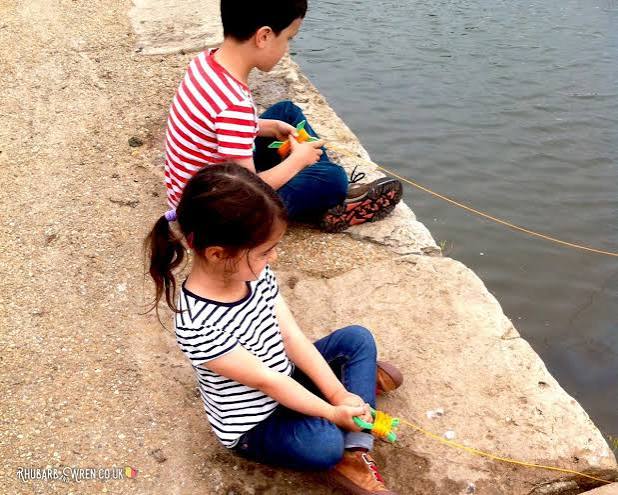
There are many activities that unite family members, but nothing compares to spending a whole day crabbing in Maryland. Picture yourself with children looking for crabs in their traps, laughing at the sight of blue crabs running around in the water, and having a picnic near the shore. That’s how you spend some nice time outside with your family and teach them something about nature and marine life.
However, if you’ve never gone crabbing before and plan to start this year, you will definitely want to know when crabbing season starts in Maryland. This knowledge is essential because it will help you pick the best time to visit the place and follow all the local rules.
When Is Crabbing Season in Maryland?
Blue crabbing season in Maryland typically starts in April and lasts until December; however, opening dates, catch limits, and restrictions may vary yearly as a way of ensuring the protection of the blue crab. Summer and early fall are said to be the best months to go crabbing due to warm weather and increased activity of blue crabs. It is important to always verify the current regulation of the Maryland Department of Natural Resources when you plan your next crabbing trip.
Why Children Love Crabbing
Children are very curious; therefore, crabbing can become a really exciting treasure hunt adventure. In about every five minutes, children have an opportunity to lift their trap and see what’s inside. Even though sometimes nothing is inside, kids get the thrill of doing it once more.
Some of the important life lessons that children learn from crabbing include the following:
- Patience
- Team work
- Caring for nature and animals
- Observation
- Responsibility
- Environmental awareness
The best thing about crabbing is that it keeps children active.
Pick a Family-Friendly Location
Maryland is endowed with several great spots for crabbing.
- When picking a spot, ensure that:
- The place has calm water.
- Fishing piers and docks that are safe.
- Easy parking space.
- Public bathrooms.
- Picnic tables.
- Basketball courts.
- A nearby playground.
A spot having various family friendly facilities will help entertain children during boring times.
Weather Conditions
Good weather plays a crucial role in making the family experience enjoyable.
Ensure that you pick a day that:
- Has pleasant temperature.
- Is free of storm prediction.
- Low wind speed.
- Low humidity level.
Morning time is cool during summer and is usually more enjoyable for kids. You can change the schedule depending on an unforeseen weather change.
Packing
Packing all the required stuff ensures that the experience goes as planned. Some of the things you can pack include:
- Drinking water.
- Healthy snacks.
- Picnic lunch.
- Sunscreen.
- Hats.
- Sunglasses.
- Insect repellents.
- Hand towels.
- Wet wipes.
- First aid box.
- Change of clothes.
- Plastic bags for trash disposal.
Bring Kid-Friendly Crabbing Equipment
Children do not need costly gear in order to have fun catching crabs.
Beginners often use:
- Hand lines
- Crab nets
- Bait
- A bucket or cooler to keep crabs of the right size
- Measuring gauge (necessary to check the legality of crabs)
- Gloves for adults to handle crabs
Let children help you to release the line or net while you carefully handle the crabs.
Safety First
It is important to teach children safety rules prior to crabbing.
Instruct children to:
- Stay away from the water’s edge unless supervised.
- Walk instead of running on docks.
- Never touch a live crab with bare hands.
- Wash their hands before having something to eat.
- Use life jackets when there is risk of drowning.
Going through rules in the beginning prevents accidents.
Respect for Nature
It is one of the best things children may learn about outdoors activities. Teach them why some crabs should be released. Explain how restrictions in number and size help to preserve crab populations. Children easily understand the importance of protection of nature.
Plan a Fun Picnic
Enjoy lunch after the morning crabbing session.
Bring food that is suitable for travel including:
- Sandwiches
- Fruit
- Vegetable sticks
- Cheese cubes
- Crackers
- Yogurt
- Trail mix
It’s advisable to have enough cold water in case the season is warm.
Add Nature-based Activities
In case crabs do not cooperate, there are other activities that the children can engage in:
- Binoculars for bird watching
- Nature journal
- Colored pencils for drawing
- Camera for wildlife photography
- Shell guidebook
This makes it possible for kids to keep entertained while being curious about the surroundings.
Memorializing the Adventure
Outdoor experiences can form long-lasting memories especially in children.
Take photographs of:
- Their first crab
- Family activities
- Views of the waterfront
- Wildlife seen on the way
- Their family picnic at the waterfront
In addition, you can make a scrapbook where they write the date, place, weather, and number of crabs seen or caught.
Final Thoughts
When it comes to figuring out when the crab season starts in Maryland, bear in mind that the season typically goes from spring to late autumn, with specific details provided annually by the state. Planning a crabbing day for your kids in Maryland is not just about catching blue crabs, but about spending quality time in nature with your family and making memories. This can be achieved by selecting a safe spot for crabbing, packing wisely, obeying all laws, and letting your kids participate in everything that you do.
