
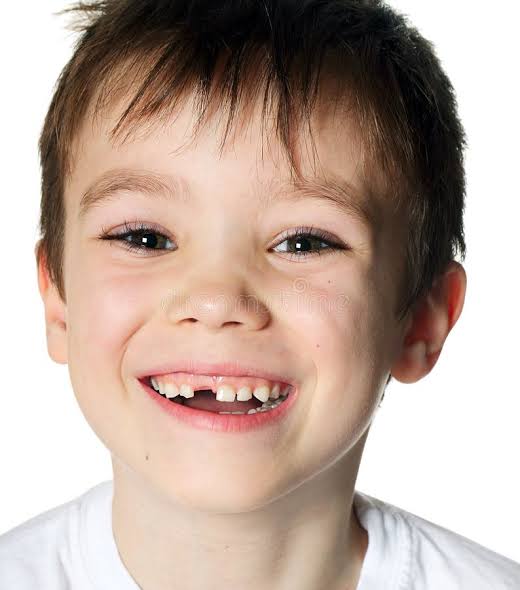
There are several milestones associated with raising a kid, such as the first time a kid says a word, walks, attends school, and even the first tooth falling out. When it comes to the last one, it brings a lot of questions to parents. The most frequent is when do kids lose their teeth?
On average, the majority of children begin to lose their baby teeth at the age of 6. However, some might start earlier or later due to different individual peculiarities.
Why do Children Lose Their Baby Teeth?
Baby teeth are also known as primary teeth; they come out to make space for permanent teeth. With growing, the formation of permanent teeth begins under the gums. They dissolve the roots of the primary teeth and make them loose. Later on, the baby teeth fall out to allow the new ones to erupt.
When Do Kids Start Losing Teeth?
When parents notice that the child has a loose tooth while in kindergarten or early elementary years, a question they usually have is, at what age children start losing their baby teeth?. The age when the first tooth falls out can be from 5 to 7 years; the average age is 6. The front bottom teeth usually fall out first, and then come the top front teeth.
It takes several years for the entire process to complete; the age when all baby teeth fall out is 11-13 years. Bear in mind that there is no need to get worried if a child starts losing his/her baby teeth earlier or later than other children.
The Order in which Baby Teeth Usually Fall Out
Every child loses baby teeth at a slightly different age; however, there is the usual order of their falling out:
- Lower central incisors (bottom front teeth)
- Upper central incisors (top front teeth)
- Upper and lower lateral incisors
- First molars
- Canines
- Second molars
Usually, the teeth that appeared first also fall out first.
Should You Pull a Loose Tooth?
One of the primary concerns parents have is whether to help remove the loose tooth. Mostly, it is better not to interfere and wait for the tooth to fall off by itself. Encourage your child to wiggle the tooth using his clean fingers or tongue. If the tooth is hanging by just a thread of tissue and is bothering the child, then its removal might be justified. But remember not to pull it if it is still firmly in place because it will just cause pain, bleeding, or injury to your kid. If in doubt, consult your family dentist.
How to Make the Experience Less Scary
Many kids get frightened by seeing blood or feeling their loose tooth.
Here’s how you can help your child to overcome this fear:
- Explain that tooth loss is a natural process of growing up.
- Read children’s books about losing their teeth.
- Tell your personal stories about losing your milk teeth.
- Establish a special family tradition of celebrating the event.
Having a positive discussion helps your kid to feel happy about losing his teeth.
Simple Tips for Parents
Helping your kid at this stage doesn’t require too much effort.
Encourage Good Brushing Habits
While loose baby teeth still need to be removed, twice daily brushing is necessary. Encourage your child to brush softly near the loose tooth and start flossing once the teeth touch each other.
Provide Gentle Foods if Necessary
If your child feels discomfort due to a loose tooth, provide foods that are easy to chew, such as:
- Yogurt
- Baked eggs
- Oatmeal
- Mashed potatoes
- Soup
- Smoothies
- Gentle fruits like bananas
Once the tooth falls out, kids are able to resume their normal diet.
Allow Your Child to Wiggle the Tooth
Kids find it natural to examine the looseness of their tooth. As long as the child washes his or her hands properly, gentle wiggling is generally safe and helps remove the tooth naturally when it’s ready.
Make the Event Celebratory
Any child will be happy to be celebrated for becoming more grown up.
Some simple ways to do this are:
- Record the date in your memory book.
- Take a picture of the smiling face of your child.
- Leave a little gift from the Tooth Fairy if you practice this custom in your family.
- Have a special family breakfast.
What If the Permanent Tooth Appears Before the Baby Tooth Falls Out?
Sometimes parents may observe that a permanent tooth emerges behind the baby tooth when the baby tooth is not yet loose. This condition is sometimes referred to as “shark teeth.” Though it might seem strange, this problem usually corrects itself once the baby tooth is shed. In case the baby tooth does not loosen itself or you have concerns about the position of the new tooth, visit the dentist.
When Should You Contact a Dentist?
Most instances of tooth loss are perfectly normal; however, you should contact the dentist if:
- Your child loses a baby tooth through an accident.
- The loose tooth hurts significantly.
- Your child has swollen gums, or there is pus around them.
- The permanent tooth does not emerge within months of shedding the baby tooth.
- Your kid does not lose any baby teeth by age 7 or so.
- The teeth look very crowded or misaligned.
Conclusion
Seeing your kid’s teeth falling out is indeed one of the exciting stages in their life, indicating that they are growing up. Even though your doubts may arise about what this is all about, being aware of all the details about kids losing teeth will enable you to guide your little one throughout this stage successfully. With proper care and guidance, most children overcome this period without any difficulties.
